Pacific West Arch science Total Homestead Transition Experts: Full House Movers

Total Homestead Transition Experts: Full House Movers

Affordable Moving Company Sacramento, CA

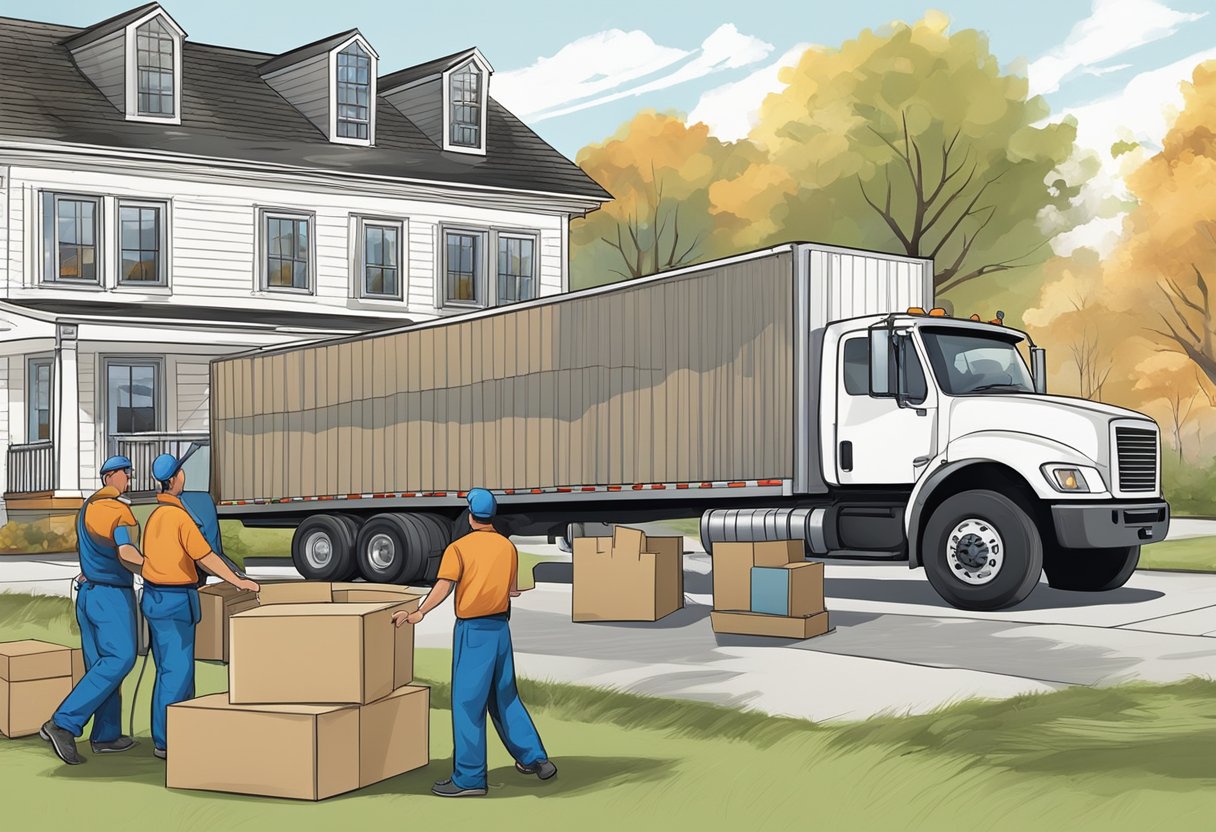
moving to a new home can be a daunting task, and when that home is your entire house, the challenges can seem insurmountable. But fear not, for there exists a unique breed of professionals known as Total Homestead Transition Experts or Full House Movers who are adept at the intricate process of moving an entire house. In this article, we will explore the fascinating world of these experts and how they can make your monumental move a seamless experience.

The Art of Full House Moving

Full house moving is a complex process that involves lifting an entire structure, including the foundation, and transporting it to a new location. This is not your typical move where you pack up your belongings in boxes and hire a moving truck. Instead, it’s about relocating an entire building while keeping it intact. This unique service is employed for a variety of reasons, such as preserving historic structures, circumventing urban development, or simply wanting a change of scenery while keeping your beloved home.

What Do Full House Movers Do?

Assessment and Planning: The first step in moving an entire house is a thorough assessment of the property. Experts carefully evaluate the structural integrity, condition of the foundation, and the logistics involved in the move. Once the assessment is complete, a detailed plan is created to ensure a successful transition.

Foundation Separation: To move a house, it must be separated from its foundation. This is a delicate operation that requires lifting the house and detaching it from its supports without causing damage. Full House Movers use specialized equipment and techniques to perform this task safely.

Transportation: Once the house is detached, it needs to be transported to its new location. This often involves the use of hydraulic dollies and trucks designed to handle the massive weight of the structure.

Reconnection: After reaching the new location, the house is carefully lowered onto its new foundation, which is prepared in advance. Reconnecting the house to the foundation is a crucial step in ensuring that the structure remains stable and secure.

Restoration: In many cases, Full House Movers are also experts in restoration. They can assist in repairing any damage that may have occurred during the move and ensure that the house is returned to its original condition.

Why Hire Full House Movers?

Preservation of History: Many clients hire Full House Movers to preserve historic homes or buildings. This process allows for the relocation and preservation of structures that might otherwise be demolished.

Change of Scenery: Some homeowners simply want a fresh start without leaving behind their beloved home. Full House Movers make it possible to take your house with you when you move to a new location.

Urban Development: In densely populated urban areas, space is at a Premium. Full House Movers can help homeowners avoid property demolition due to urban development by relocating the house to a more suitable location.

Customization: Full House Movers can also facilitate homeowners who want to personalize their living spaces. You can choose your dream location, and they will make it happen.

Challenges of Full House Moving

While Full House Movers are experts in their field, it’s important to acknowledge the challenges involved in this process. These include:

Cost: Full house moving is a substantial investment. The costs can be significant, considering the specialized equipment and expertise required.

Regulations and Permits: Moving an entire house involves navigating a maze of regulations and obtaining various permits. This can be a time-consuming and bureaucratic process.

Risk: There’s inherent risk in moving a house. Ensuring that it arrives at its new location intact and undamaged requires a high level of skill and attention to detail.

In conclusion, Full House Movers are a unique breed of professionals who specialize in the complex task of moving entire houses. Whether you’re looking to preserve history, want a change of scenery, or need to circumvent urban development, these experts can make it happen. While the process is not without its challenges, the benefits of preserving a piece of history or customizing your dream home in a new location can be immeasurable.

Friendly Moving Company Sacramento, CA

Related Post

What does trip-and-fall mean in the legal space?What does trip-and-fall mean in the legal space?

What Does Trip-and-Fall Mean in the Legal Space?

In the legal realm, “trip-and-fall” refers to a specific type of premises liability case where a person is injured after tripping and falling on someone else’s property. According to the Munley Law Glossary, these incidents occur when an individual encounters an unsafe or obstructive condition that causes them to lose their balance and fall, leading to injuries. Trip-and-fall cases often arise from property owners’ failure to maintain safe conditions, and the legal implications can involve significant compensation for the injured party, depending on the circumstances surrounding the accident.

Understanding Trip-and-Fall Accidents

Trip-and-fall accidents are a common form of personal injury, often resulting in serious consequences such as broken bones, sprains, head injuries, and back pain. These accidents typically occur when a person encounters a hazardous condition, such as:

Uneven or Cracked Sidewalks: Poorly maintained walkways can cause a person to trip if there are noticeable cracks, height differences, or irregular surfaces.

Cluttered Floors: Objects left in walking paths, such as electrical cords, merchandise, or debris, can be tripping hazards.

Loose Flooring: Damaged carpets, tiles, or mats that are not securely fastened to the ground may cause a person to trip.

Poor Lighting: Inadequate lighting can make it difficult to see obstacles or changes in floor level, increasing the risk of tripping.

Legal Aspects of Trip-and-Fall Cases

In the legal space, trip-and-fall cases are classified under premises liability law. The injured person (plaintiff) seeks to hold the property owner or occupier (defendant) liable for damages due to negligence in maintaining a safe environment. Here’s how these cases are typically addressed:

Establishing Duty of Care: In trip-and-fall cases, the first legal requirement is to establish that the property owner had a duty of care to maintain the premises in a reasonably safe condition. This duty applies to various locations, including private residences, commercial establishments, and public spaces.

Proving Negligence: The injured party must demonstrate that the property owner was negligent in maintaining the premises or failed to address a known hazard. For instance, if the owner was aware of a broken step but did not repair it or provide adequate warning, it could be considered negligence.

Showing Causation: There must be a direct link between the hazardous condition and the injuries sustained. The plaintiff needs to prove that the trip-and-fall accident was the direct cause of their injuries.

Comparative Negligence: In some cases, the plaintiff’s own actions may have contributed to the accident. States that follow comparative negligence laws allow for a reduction in compensation based on the injured person’s share of fault. For example, if the victim was distracted while walking and failed to notice an obvious hazard, their compensation might be reduced.

Types of Compensation in Trip-and-Fall Cases

Victims of trip-and-fall accidents may be eligible for various forms of compensation, depending on the severity of their injuries and the circumstances of the incident. Common types of damages sought in these cases include:

Medical Expenses: This covers the cost of emergency treatment, surgeries, physical therapy, medication, and other medical needs related to the injury.

Lost Wages: If the injury prevents the victim from working, they may seek compensation for lost wages or loss of earning capacity.

Pain and Suffering: Physical pain, emotional distress, and decreased quality of life resulting from the injury can be included in non-economic damages.

Rehabilitation Costs: Severe injuries may require ongoing rehabilitation, and compensation can help cover the costs of these treatments.

Challenges in Trip-and-Fall Cases

Trip-and-fall cases can be challenging to litigate because they often involve proving that the property owner’s negligence was directly responsible for the accident. Several factors can complicate these cases, such as:

Lack of Evidence: It can be difficult to provide sufficient evidence of the hazardous condition that caused the fall, especially if it was quickly corrected or removed after the incident.

Witness Testimony: Eyewitnesses can play a significant role in these cases, but locating witnesses who can accurately describe the conditions at the time of the fall may not always be possible.

Time Limits: There are statutes of limitations that dictate the time frame within which a trip-and-fall lawsuit must be filed. Missing these deadlines can result in losing the right to pursue a claim.

The Role of Legal Representation

Hiring an attorney who specializes in personal injury law can significantly improve the chances of success in a trip-and-fall case. Legal professionals can help gather evidence, negotiate with insurance companies, and represent the injured party in court if necessary. Lawyers familiar with trip-and-fall cases can also assist in determining a fair amount of compensation, considering the medical costs, long-term impact, and emotional toll on the victim.

Preventative Measures

To avoid trip-and-fall incidents, property owners should take proactive measures to ensure their premises are safe. Regular inspections, timely repairs of hazards, and proper warning signs for temporary dangers, such as wet floors or construction areas, can help reduce the risk of accidents.

In the legal space, a trip-and-fall case involves more than just an unfortunate accident—it raises questions about property maintenance, responsibility, and liability. The Munley Law Glossary explains that these cases hinge on proving negligence and establishing a link between the hazard and the injury. For victims, understanding the legal aspects of trip-and-fall claims is essential in pursuing compensation and holding property owners accountable for unsafe conditions.

What does drunk driving mean in the legal space?What does drunk driving mean in the legal space?

What does drunk driving mean in the legal space?

In the legal space, “drunk driving” refers to operating a vehicle under the influence of alcohol, which impairs a driver’s ability to safely control the vehicle. According to the Munley Law Glossary, drunk driving is a serious offense with significant legal consequences. It is commonly known as Driving Under the Influence (DUI) or Driving While Intoxicated (DWI), depending on the jurisdiction.

Understanding Drunk Driving

Drunk driving involves operating a vehicle while impaired by alcohol, which affects several key aspects of driving ability:

  • Reduced Reaction Times: Alcohol slows down the brain’s processing speed, which delays a driver’s response to potential hazards.
  • Impaired Judgment: Alcohol affects decision-making skills, leading to risky behaviors and poor judgment on the road.
  • Decreased Coordination: Alcohol impairs motor skills and coordination, affecting the driver’s ability to steer, brake, and control the vehicle effectively.
  • Blurred Vision: Alcohol can affect visual acuity, making it difficult to see road signs, signals, and other vehicles clearly.

Legal Implications of Drunk Driving

Drunk driving is a serious offense with a range of legal consequences, including:

Criminal Charges: Drivers caught operating a vehicle with a blood alcohol concentration (BAC) over the legal limit (typically 0.08% in many jurisdictions) may face criminal charges. The severity of the charges can vary based on factors such as the driver’s BAC, whether they have previous offenses, and if the drunk driving resulted in injury or death.

Fines and Penalties: Convictions for drunk driving can result in substantial fines, which vary depending on the jurisdiction and the specifics of the offense. Penalties may also include community service, mandatory alcohol education programs, and probation.

License Suspension or Revocation: Drunk driving convictions often lead to the suspension or revocation of the driver’s license. The length of suspension or revocation can depend on the number of offenses and the severity of the incident.

Imprisonment: In cases of severe drunk driving offenses, such as those involving serious injury or death, the driver may face jail or prison time. Repeat offenders or those with particularly high BAC levels may also face longer sentences.

Civil Liability: If drunk driving causes an accident that results in injury or property damage, the driver may be held liable in civil court. This can lead to compensation claims for medical expenses, property damage, lost wages, and pain and suffering.

Proving Drunk Driving in Legal Cases

To establish a case of drunk driving, several types of evidence may be used:

  • Breathalyzer Tests: Breathalyzer devices measure the driver’s BAC at the time of the stop. Results indicating a BAC over the legal limit can serve as strong evidence of drunk driving.
  • Field Sobriety Tests: These tests assess a driver’s physical and cognitive abilities, such as balance, coordination, and concentration. Performance on these tests can provide additional evidence of impairment.
  • Blood Tests: In some cases, blood tests may be used to determine BAC levels or detect the presence of alcohol. Blood tests are typically used when breathalyzer tests are not available or when more precise measurement is needed.
  • Witness Testimony: Observations from law enforcement officers, other drivers, and passengers can provide evidence of the driver’s impaired behavior and appearance.

Legal Defenses and Challenges

In defending against drunk driving charges, several strategies may be used:

  • Challenging Evidence: Defendants may argue that breathalyzer or blood test results were inaccurate or improperly administered.
  • Questioning Procedure: Defenses may challenge the legality of the traffic stop or the conduct of field sobriety tests.
  • Medical Conditions: In some cases, medical conditions or other factors may be used to explain test results or impaired behavior that is not related to alcohol consumption.

Prevention and Legal Responsibility

Preventing drunk driving is crucial for road safety and avoiding legal consequences. Measures to prevent drunk driving include:

  • Designated Drivers: Arranging for a sober driver to take the wheel if consuming alcohol.
  • Public Transportation: Utilizing taxis, rideshare Services, or public transit when drinking.
  • Alcohol Education: Participating in alcohol education programs to understand the risks and consequences of drunk driving.

Role of Munley Law Glossary

The Munley Law Glossary is a valuable resource for understanding legal terms related to drunk driving. It provides clear definitions and explanations that help individuals, attorneys, and others navigate the complexities of DUI and DWI cases.

Drunk driving is a serious legal issue with significant consequences. In the legal space, it is treated as a criminal offense with potential for fines, imprisonment, license suspension, and civil liability. Understanding the implications of drunk driving, as detailed in the Munley Law Glossary, is essential for addressing legal cases and promoting road safety.

Hydrogen Fuel Cars And Trucks– Do they Exist?Hydrogen Fuel Cars And Trucks– Do they Exist?

Did you know that hydrogen fuel cars and trucks are currently on the streets of many primary world countries? General Motors and Ford currently introduced hydrogen fuel vehicles and presently, BMW has actually produced a series of the same type of auto. General Motors currently has thirteen hydrogen fuel cars and trucks strolling the streets of Washington, including 6 minivans.

Ford is still in the process of manufacturing ‘Focus’. Other car manufacturers namely Honda, Toyota, DaimlerChrysler, and Nissan currently have cars in the Army and even with the public.

With the introducing of hydrogen fuel automobiles, many cars and truck owners no longer need to fret about gas mileage. If you want to conserve cash now, yet you can’t manage the hydrogen fuel automobiles, have your existing cars and truck converted. Naturally, it can cost a Little but the benefits are priceless.

The cars utilize alternative hydrogen fuel, the price is simply like that of internal combustion vehicles. GM and Shell are now Partners; the latter has actually produced stations for hydrogen fuel to meet the need for the alternative fuel.

You will hardly notice that there are some hydrogen fuel buses roaming their streets if you stroll the streets of Europe. DaimlerChrysler introduced the stated buses in 2020. You can find the buses in Barcelona, Amsterdam, London, Hamburg, Madrid, Luxemburg, Reykjavik, Porto, Stuttgart, and Stockholm. The buses function well despite the weather.

In truth, the buses offer excellent transportation throughout hot summer seasons and cold winters; along with in the sloping areas and flatlands. You can discover hydrogen stations in the 7 major cities of Europe and each station is geared up with the essential equipments like the electrolysis tools. Water is utilized to develop the fuel for the stations. This company manufactures stations, hydrogen compressors, and other gas compressors:


An ethanol fuel cars and truck can also utilize hydrogen fuel cells. If you use this alternative, you can improve gas mileage and at the same time supply the cells with the needed hydrogen.

If you desire a tidy and abundant energy source, choose hydrogen fuel cars and trucks. As long as you have a water source, you can use it to power your hydrogen vehicle.

Something’s for sure, hydrogen fuel cars do exist. Some people are still unaware of this truth however in the coming years, these vehicles will dominate the streets. Here’s great news to everyone, if you want to deal with the worldwide warming problem, have your automobiles transformed if it is possible.

If you can find a hydrogen station, examine your region. This is a very important decision that you have to make, so make certain that you will have no remorses. So far, users of hydrogen fuel cars do not have any regrets and with the innovative technology of today, improvements are on their way. Look out for the vehicles of the future.